 Abutaher ATM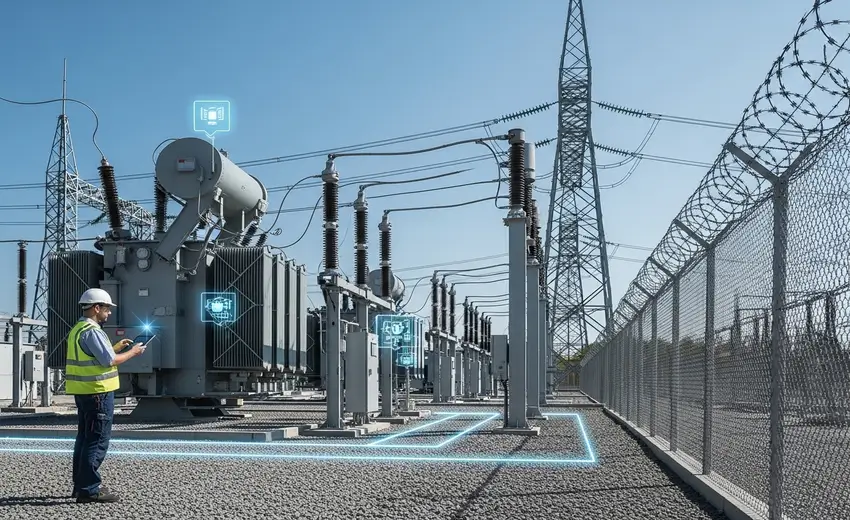
In the intricate web of modern civilization, electricity is the lifeblood, and the electrical substation is its beating heart. This critical facility acts as the vigilant guardian in the long journey of power from the generation plant to your home or factory. However, for this heart to remain strong and steady, it requires regular care and attention—a process known as Substation Maintenance. This is far more than a simple janitorial task of tightening bolts and wiping down equipment; it is a science, a strategic discipline, and an indispensable investment that underpins the stability, reliability, and safety of an entire nation’s power grid.
In this comprehensive article, we will venture deep into the worldwide of substation maintenance. We will explore its profound importance, the methodical processes of inspection, how modern technology is revolutionizing this field, and the uncompromising safety protocols that protect human lives. Our objective is to demystify this complex subject, presenting it in clear, accessible language for students, industry professionals, and curious readers alike to fully grasp its significance.
The Undeniable Importance of Electrical Substation Maintenance: Why It Can Never Be Ignored
Viewing substation maintenance as a mere operational expense is a fundamental mistake. In reality, it is a strategic investment that yields exponential returns in the long term. Proper maintenance ensures the reliability, safety, and efficiency of the electrical grid, preventing unexpected outages and catastrophic failures that can cost utilities millions.
Electrical substations are the backbone of power distribution—they step voltage up or down, regulate flow, and act as the critical interface between power generation and consumption. Neglecting maintenance can lead to equipment degradation, energy losses, and serious safety hazards for both personnel and the public.
Moreover, substation maintenance supports predictive planning and cost efficiency. By regularly inspecting transformers, circuit breakers, grounding systems, and protective devices, utilities can detect early signs of wear and malfunction. This proactive approach reduces unplanned downtime, avoids emergency repair costs, and extends the operational lifespan of high-value assets.
In essence, substation maintenance is not just a technical necessity—it is a strategic cornerstone of grid stability, operational efficiency, and public safety. Utilities that invest in thorough and consistent maintenance today are protecting their infrastructure, ensuring uninterrupted power supply, and safeguarding the communities they serve
Maximizing Equipment Performance and Ensuring Longevity
A substation’s components—such as transformers, circuit breakers, and insulators—are incredibly valuable assets. Regular maintenance ensures these components operate at peak performance. For instance, routine testing of a transformer’s insulating oil, through methods like Dissolved Gas Analysis (DGA), assesses the oil’s health and can detect internal faults at a very early stage. Similarly, timely lubrication of the moving parts within a circuit breaker significantly extends its mechanical lifespan. In coastal or dusty environments, a layer of contaminants can build up on insulators, leading to a “flashover” that disrupts power flow. Day by Day regular cleaning mitigates this risk, thereby extending the equipment’s life and saving millions in premature replacement costs.
Preventing Catastrophic Accidents and Enhancing Overall Safety
A substation is an inherently high-risk environment where a minor, neglected fault can cascade into a catastrophic failure. A malfunctioning circuit breaker that fails to interrupt a fault current can lead to a transformer explosion—an event that not only causes massive financial damage but also poses a grave threat to human life. Likewise, a degraded ground grid system creates a lethal risk of electric shock for on-site personnel. Routine Substation Maintenance involves the thorough inspection and testing of all these safety systems, ensuring they are flawless and fostering a secure working environment.
Driving Economic Savings and Guaranteeing Power Reliability
The cost of an emergency repair following an unexpected equipment failure is exponentially higher than the cost of planned, preventive Substation Maintenance. An even greater cost is the resulting power outage. When a substation goes offline, it paralyzes an entire region’s industries, hospitals, and commercial activities, leading to staggering economic losses. Planned maintenance allows potential faults to be identified and rectified proactively, making sudden breakdowns exceedingly rare. This guarantees the uninterrupted supply of electricity, which is essential for keeping the wheels of the economy turning.
Substation Inspection: The Foundational Step of Maintenance
An effective Substation Maintenance program is built on the foundation of a well-structured inspection regimen. These inspections are tiered, with each level serving a specific purpose, from routine visual checks to detailed electrical testing. Visual inspections allow operators to identify obvious physical issues such as corrosion, loose connections, oil leaks, and damaged insulators before they escalate into serious faults. Meanwhile, functional and electrical tests verify the performance and reliability of critical components like transformers, circuit breakers, protective relays, and busbars. By combining these layers, substation inspection not only detects existing problems but also provides valuable data for predictive maintenance, helping utilities prevent unexpected outages, optimize repair schedules, and extend the life of expensive equipment. In essence, a comprehensive inspection program is the cornerstone of any robust maintenance strategy, ensuring both safety and operational continuity
Visual and Routine Inspections (Daily & Weekly)
This level of inspection is akin to a doctor checking a patient’s vital signs. On-site operators and technicians perform daily or weekly walk-throughs to monitor specific sensory cues:
-
Auditory: Listening for any abnormal humming or buzzing sounds from transformers or other equipment.
-
Visual: Looking for signs of overheating like discoloration, oil or gas leaks, cracks on insulators, or loose connections.
-
Olfactory: Detecting any burning smells or the distinct scent of ozone, which can indicate a corona discharge.
These preliminary observations are crucial for catching major problems in their infancy.
Detailed and Diagnostic Inspections (Monthly & Annual)
These inspections are more in-depth and rely on specialized tools and expertise. Key diagnostic tests performed during this phase include:
-
Thermographic Scanning: Using infrared cameras to identify “hot spots” on connections and equipment, which are clear indicators of high resistance or loose terminals.
-
Contact Resistance Measurement: Testing the contact points of circuit breakers to ensure they can conduct current with minimal loss.
-
Insulation Resistance Testing: Verifying the integrity of the insulation in transformers, cables, and bushings to prevent current leakage.
-
Battery System Load Testing: Ensuring the backup battery bank can supply the necessary power to the control systems during an outage.
Substation Monitoring Systems: Technology’s Watchful Eye
The greatest leap forward in modern substation maintenance comes from automation and remote monitoring, often managed through SCADA (Supervisory Control and Data Acquisition) systems. These systems act like the eyes and ears of a substation, constantly observing every critical parameter—from voltage and current fluctuations to transformer temperatures and breaker operations. By collecting real-time data, SCADA allows operators to detect irregularities, anticipate potential failures, and respond instantly to emergencies without being physically present on-site.
Beyond just monitoring, advanced substation systems now integrate AI and predictive analytics, which analyze historical and real-time data to forecast equipment deterioration, optimize maintenance schedules, and reduce unplanned downtime. This combination of automation, remote access, and intelligent prediction transforms substation maintenance from reactive to proactive, enhancing grid reliability, reducing operational costs, and ensuring worker safety
Real-Time Data Analysis and Predictive Maintenance
These sophisticated systems allow operators in a central control room to monitor every critical parameter of a substation—voltage, current, temperature, power factor—24/7. However, their true power lies in enabling Predictive Substation Maintenance. The system analyzes data trends over time. For example, if it detects a gradual, steady increase in a transformer’s operating temperature, it can forecast a potential failure in the cooling system. This allows maintenance crews to intervene before the equipment fails, saving time, money, and preventing an outage.
Automated Control and Remote Management
Many functions can be automated through these systems. In the event of a fault, the system can automatically trip the correct circuit breaker or activate cooling fans if the temperature exceeds a set limit. This reduces the need for human intervention and drastically shortens response times. Actions like re-routing power or isolating a specific feeder line can be performed remotely, dramatically increasing the operational efficiency and flexibility of the grid.
Substation Safety Equipment: Where Safety is the Final Word
The life of every worker inside a substation is absolutely priceless, and their protection should never be compromised. Substations are high-voltage environments where even the smallest mistake can lead to severe injury, equipment damage, or even loss of life. That’s why the use of proper substation safety equipment—such as insulated gloves, arc flash suits, protective helmets, grounding devices, and fire suppression systems—becomes essential. Safety isn’t just about having the tools available; it’s about creating a culture where following safety procedures is second nature.
By strictly adhering to safety protocols and ensuring every worker is equipped with the right gear, utilities not only reduce risks but also guarantee uninterrupted power supply and long-term reliability of the system. In the world of electrical substations, safety is not just a guideline—it is the final word that ensures both human lives and critical infrastructure remain protected.
Personal Protective Equipment (PPE)
This is the worker’s personal armor. It includes:
-
Voltage-Rated Gloves and Footwear: The first line of defense against electric shock.
-
Hard Hats and Face Shields: Protection against head injuries and the intense energy of an arc flash.
-
Arc-Rated/Fire-Retardant Clothing: Specially designed garments that protect the body from the severe heat of an arc flash.
Workplace Safety Tools and Procedures
Beyond personal gear, the work area itself is secured using specific tools and methods:
-
Lockout-Tagout (LOTO): A formal procedure that ensures a piece of equipment being serviced is properly de-energized and cannot be accidentally turned on.
-
Portable Earthing Rods: After a line is de-energized, it is connected to the ground grid with these rods. This ensures any residual or induced voltage is safely shunted to the ground.
-
Barricades and Warning Signs: Used to clearly demarcate the safe work area and prevent unauthorized personnel from entering.
The Substation Ground Grid: An Invisible Yet Essential Guardian
Buried deep beneath the surface of all substation lies a network of copper conductors known as the substation ground grid. Although invisible to the eye, this system silently safeguards both equipment and personnel by ensuring that fault currents are safely dissipated into the earth. Without a properly designed ground grid, dangerous voltage rises could occur during electrical faults, putting lives and assets at risk.
The ground grid acts as the first line of defense against electrical hazards such as step potential and touch potential, which can be fatal if not controlled. It also stabilizes the overall performance of the substation by Substation Maintenance a consistent reference voltage for all connected equipment. In other words, while transformers, circuit breakers, and monitoring systems may get the spotlight, the ground grid is the hidden guardian that keeps the entire facility safe, reliable, and compliant with international safety standards
Controlling Step and Touch Potentials
During a fault or a lightning strike, a massive amount of current is discharged into the earth. This can cause the ground potential around the substation to rise to dangerous levels. The primary job of the ground grid is to distribute this voltage rise evenly across the entire area to protect against two specific dangers:
-
Touch Potential: The lethal voltage difference that can occur between the hand of a person touching a faulted piece of equipment and their feet.
-
Step Potential: The dangerous voltage difference that can occur between a person’s two feet as they walk across the ground during a fault.
An effective ground grid keeps both of these potentials below life-threatening levels.
Ground Grid Testing and Integrity Verification
Over time, factors like soil corrosion or the degradation of conductor joints can compromise the effectiveness of the ground grid. Therefore, it must be tested periodically using methods like the “Fall of Potential” test to measure its resistance. If the resistance is found to be above the specified limit, remedial actions are taken to improve the grid. While this testing is costly, it is absolutely essential for the overall safety of the substation.
Conclusion
If an electrical substation is the heart of modern civilization, then substation maintenance is the comprehensive health regimen that keeps that heart beating strongly. It is a multifaceted, continuous process that blends traditional expertise with cutting-edge technology. Through a combination of diligent inspections, data-driven predictive maintenance, uncompromising safety protocols, and a robust grounding system, we can ensure a power delivery network that is reliable, efficient, and safe. This not only minimizes power outages but also paves the way for sustained industrial and economic growth.
Frequently Asked Questions (FAQ)
What is the difference between Preventive and Predictive Maintenance?
Preventive Substation Maintenance is performed on a fixed schedule (e.g., annually), regardless of the equipment’s condition. Predictive maintenance uses real-time data analysis to predict when a component is likely to fail, so maintenance is performed only when necessary, making it more efficient and cost-effective.
What is the biggest challenge in substation maintenance?
One of the biggest challenges is performing Substation Maintenance while the substation is still energized (online) to avoid interrupting power. This requires highly specialized techniques, advanced tools, and exceptionally skilled personnel.
Is there a difference in maintaining GIS (Gas Insulated Substation) vs. AIS (Air Insulated Substation)?
Yes, significantly. AIS components are exposed to the air, making them easier to access for maintenance but requiring more space. GIS components are enclosed in a sealed, gas-filled chamber, requiring far less Substation Maintenance, but repairing a fault is a highly complex and time-consuming process.
Can the sound of a transformer indicate a problem?
Absolutely. While a steady humming sound is normal, a sudden increase in volume or a change in the sound’s character (e.g., a crackling or popping noise) can indicate an internal issue like a loose core, overloading, or insulation problems.
Why is the battery system so crucial in a substation?
If the main AC power to a substation fails, the battery system provides essential DC power to the control circuits, protection relays, and communication systems. This allows the substation to operate safely and trip breakers during a fault, preventing a wider catastrophe.
What is the ‘corona effect’ and why is it relevant to maintenance?
The corona effect is a faint purple glow and hissing sound that occurs when the air surrounding a high-voltage conductor becomes ionized. It causes power loss and produces ozone, which can corrode components. Keeping conductors clean and free of sharp points helps minimize this effect.
As a member of the public, what precautions should I take near a substation?
Never approach the substation fence or attempt to enter. Do not fly kites, drones, or any metallic objects nearby. If you see anything unusual, such as smoke, sparks, or a damaged fence, report it to your local utility company immediately.
What is the future of substation maintenance?
The future lies in Artificial Intelligence (AI) and Machine Learning (ML). AI-powered systems will analyze vast amounts of data to predict failures with incredible accuracy, recommend optimal maintenance schedules, and even guide robotic platforms to perform inspections, making the process more autonomous, precise, and safe.